
All Stories
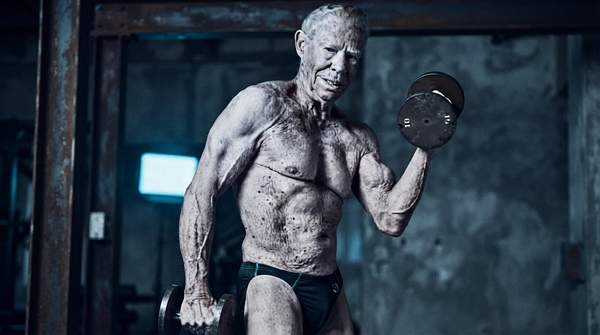
Why Strength Fades Faster Than Muscle With Age—and How to Train and Eat Against It
Muscle strength (dynapenia) declines faster than muscle mass (sarcopenia) with age due to distinct physiological mechanisms. This guide outlines evidence-based resistance training and nutritional strategies to slow both processes and maintain muscle longevity.

Match the Drink to the Session: A Decision Framework for Intra-Workout Hydration
This guide provides a decision framework for selecting intra-workout hydration based on session duration, intensity, and environmental conditions. It details when to use plain water, standard carbohydrate-electrolyte solutions, or advanced high-sodium or specialized carbohydrate drinks for optimal performance.

Layered Home Gym Lighting: How to Match Fixtures to Your Workouts
Optimize your home gym with a layered lighting plan that combines overhead, task, and ambient light. This approach allows your space to adapt from intense workouts to relaxing recovery sessions by adjusting brightness and color temperature.
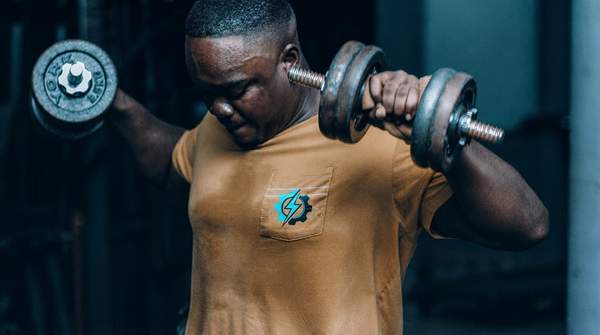
After 40, Train More Often or Lift More Volume? A Decision Framework for Masters Lifters
Masters lifters over 40 face a choice: prioritize higher training frequency for strength gains or moderate frequency with varied volume for hypertrophy. This article provides a decision framework to help optimize training based on individual goals and age-related recovery considerations.

Finding Aiming Fluid Golf in the Bay Area: What Local Golfers Should Know
Aiming Fluid Golf, a Northern California brand, offers innovative golf accessories like magnetic towels and organization systems designed to solve common problems faced by Bay Area golfers. While not locally based, its products address issues familiar to those playing in the region.

Using the Overhead Squat to Diagnose Your Mobility Limits: A Self-Assessment and Corrective Framework
The overhead squat serves as an efficient full-body movement screen, simultaneously exposing restrictions at the ankles, hips, thoracic spine, and shoulders. This guide details how to perform the self-assessment, interpret observed compensations, and apply corrective exercises to address identified mobility and stability limitations.

Protein, Creatine, or Tart Cherry? The Evidence-Backed Supplements Advanced Lifters Should Actually Consider for Recovery
Advanced lifters can optimize recovery with evidence-based supplements like protein for muscle repair, creatine for strength restoration, and tart cherry for inflammation. This guide details their mechanisms and benefits to inform your choice.
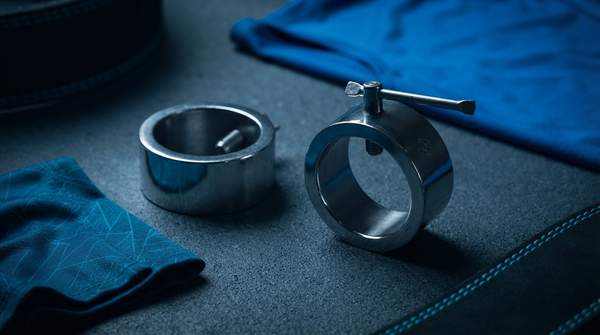
Choosing the Right Barbell Collars: A Type-by-Type Guide for Heavy Lifters
Choosing the right barbell collars is crucial for safety and performance, especially for heavy lifters. This guide breaks down collar types like competition, cam-lever, lock-jaw, and spring, helping you select the best fit for your training style, barbells, and budget.

Micronutrients for Strength Athletes: What Iron, Vitamin D, and B Vitamins Actually Do, and When to Get Tested
Micronutrients like iron, vitamin D, and B vitamins are vital for strength athletes' performance and recovery, supporting energy, muscle function, and bone health. The article guides athletes on recognizing potential deficiencies and emphasizes seeking professional consultation and blood tests before resorting to supplements.

The No-Jargon Guide to Crown Green UK and Bespoke Custom Apparel
Crown Green UK is a cut and sew manufacturing business that specialises in creating custom apparel and bowls bags for sports clubs. For teams looking to move beyond off-the-shelf kits, understanding the bespoke garment p…

APRE for Advanced Lifters: Principles of Autoregulated Loading
Autoregulatory Progressive Resistance Exercise (APRE) allows advanced lifters to adjust barbell weights session by session based on daily readiness, using a feedback loop from a max-reps set. This method replaces rigid, predetermined plans with real-time load adjustments, optimizing training stimulus and minimizing fatigue.

How to Program a Hybrid Training Week: The Three Principles and a Decision Framework That Balance Strength and Endurance
Building strength and endurance simultaneously requires a structured approach based on three core programming principles: progressive overload, periodization, and recovery management. This article provides a decision framework to help athletes arrange their weekly training, sequencing sessions based on their primary goal to optimize adaptations.

Fixing Snatch and Clean & Jerk Technique: A Fault-to-Drill Framework for Targeted Practice
Improve your snatch and clean & jerk technique by diagnosing specific faults and using "technique variation complexes" for targeted practice. This method pairs a modified lift with the full lift to ingrain correct patterns through structured, high-repetition training at lighter loads.

Before You Buy Recovery Tech: A Three-Tier Framework for Strength Athletes
Strength athletes should prioritize foundational recovery strategies like sleep, nutrition, and training management before investing in advanced modalities. A three-tier framework helps evaluate recovery tools based on evidence strength, cost, and personal goals.

Inside the Team Boxing League Season With 12 City Teams, Playoffs, and MegaBrawl
Choosing a new sport to follow can be a significant decision for any fan. When looking for what to look for when choosing a boxing league, the structure and format are paramount. The Team Boxing League offers a revolutio…

Why Whey Scores Higher Than Pea: A Lifter's Guide to DIAAS and Real Protein Quality
Understand the Digestible Indispensable Amino Acid Score (DIAAS) to evaluate protein quality beyond simple gram counts. This metric reveals why animal proteins like whey often score higher than plant sources like pea, and how to optimize plant-based options for muscle growth.

Barbell vs. Dumbbell vs. Kettlebell Overhead Press: Which Variation Fits Your Goal?
Choosing the right overhead press variation—barbell, dumbbell, or kettlebell—depends on your specific training goals. Each implement offers unique benefits for strength, hypertrophy, and stability.

Iron, Bumper, Calibrated, or Urethane: Which Weight Plate Type Fits Your Home Gym?
Choosing the right weight plates for your home gym involves balancing cost, accuracy, durability, and noise based on your specific lifting style and environment. Whether you prioritize precision for powerlifting, impact protection for Olympic lifts, or budget-friendly general strength training, understanding the trade-offs between iron, calibrated steel, bumper, and urethane plates is key.

Beyond Adding Weight: How Advanced Lifters Keep Progressing Without Wrecking Their Joints
For advanced lifters, simply adding weight to the bar is no longer a viable progression strategy. Mastering progressive overload involves utilizing multiple levers beyond load, such as exercise rotation, fluctuating training stress, and prioritizing recovery and movement quality for long-term strength gains and joint health.

OverDrive Puts the Gamer-Athlete at the Center of Performance Fuel
In the high-stakes, high-focus world of competitive gaming, the line between athlete and gamer has vanished. Recognizing this evolution, OverDrive produces performance fuel supplements specifically designed for the uniqu…
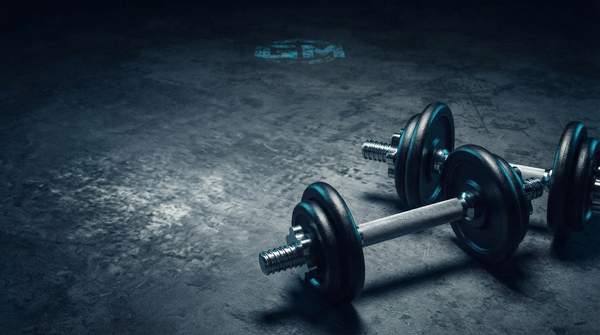
When to Deload: The Signs That Say It's Time—and the Strength Trade-off You Should Know
Advanced lifters should deload when experiencing consistent signs of fatigue, poor sleep, or performance stagnation, but be aware that a complete week off may impact maximal strength gains while preserving hypertrophy.

mTOR vs. AMPK: How to Manipulate Load, Volume, and Rest to Bias Your Training Toward Muscle Growth
Muscle growth is driven by the mTOR pathway, while AMPK signals energy stress and inhibits growth. Advanced lifters can optimize hypertrophy by strategically manipulating training variables like load, volume, and rest to favor mTOR activation.

Which Squat Variation Fixes Your Weak Point: Front Squat, Safety Bar, or Pause Squat?
Improve your back squat by identifying specific weaknesses and choosing the right variation. Learn how front squats, safety bar squats, and pause squats target distinct failure points to enhance your overall lift.
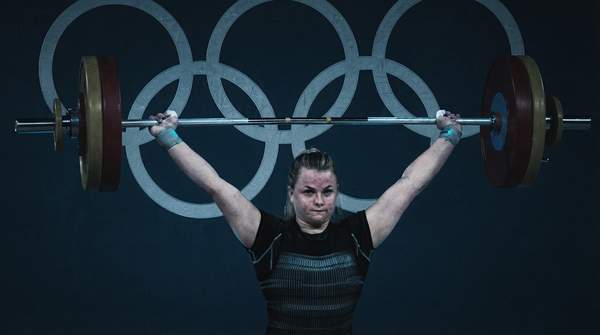
Training for Muscle Fiber Types: What the Evidence Actually Supports
While training can influence muscle fiber adaptations, precise targeting for hypertrophy is debated and evidence is limited. Understanding how load and effort recruit different fiber types helps align training with goals like strength, power, or endurance.