
All Stories

Sarcopenia vs. Dynapenia: Why Your Strength Fades Faster Than Your Muscle Size
Sarcopenia is the age-related loss of muscle mass, while dynapenia is the age-related loss of muscle strength. Strength often declines faster than mass due to factors beyond muscle size, making it a more significant predictor of disability.

5 Practical Ways Trael Hydration Helps Athletes Recover Faster Without Synthetic Additives
For dedicated athletes, recovery is not just a phase; it's a critical component of performance. The market is flooded with sports drinks promising rapid replenishment, but many rely on synthetic additives, artificial dye…

4 Rubber Flooring Choices for Advanced Lifters: Which Type and Thickness Protects Your Platform
Advanced lifters need at least 1/2-inch thick rubber flooring for Olympic lifts and deadlifts to protect equipment and subfloors. Choose between seamless rolls for large areas or modular tiles for smaller spaces, considering thickness based on your specific lifting style and equipment.

Why Advanced Lifters Move Beyond Linear Periodization: Choosing Between Block and DUP
Advanced lifters often outgrow linear periodization due to slower adaptation and increased recovery demands. The choice then shifts to Block Periodization for focused, sequential development toward a peak, or Daily Undulating Periodization (DUP) for concurrent, flexible training of multiple qualities.
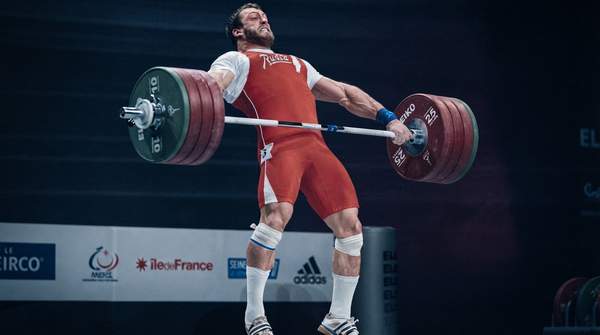
Block Periodization for Power: How Advanced Lifters Can Sequence Plyometrics, Ballistics, and Olympic Lifts
Advanced lifters can break power plateaus using block periodization, focusing on building foundational strength in an Accumulation block and then converting it to explosive power in a Transmutation block. Exercise selection should align with the force-velocity curve, prioritizing heavy lifts for force and plyometrics/ballistics for velocity.

Satellite Cells and the Myonuclear Domain: Why Your Muscle Fibers Can Grow Without New Nuclei
The classic "myonuclear domain ceiling" theory, which suggested muscle growth strictly requires new nuclei from satellite cells, is challenged by modern research. Evidence shows muscle fibers can hypertrophy significantly by utilizing the transcriptional reserve of existing myonuclei.

5 Different Ways Grandstand Memorabilia Guarantees Your Signed Sports Collectibles Are Authentic
For collectors, the thrill of owning a piece of sports history is unparalleled. However, the growing market for memorabilia also brings a significant risk: counterfeit items. According to industry analysis from Mark Spar…

Creatine for the Brain: Who Actually Sees Cognitive Benefits, and When
Creatine supplementation may enhance short-term memory and reasoning, particularly for individuals experiencing metabolic stress or with lower baseline creatine levels like vegetarians and older adults. Its cognitive benefits are not universal and depend on specific conditions and task demands.

Muscle Damage Is Not the Goal: Why Mechanical Tension Drives Hypertrophy and How to Program for It
Mechanical tension is the primary driver of muscle hypertrophy, while muscle damage is a byproduct to manage, not a target to chase. Effective programming prioritizes tension generation and recovery.
How Satellite Cells Rebuild Your Muscle: The Sequence from Damage to Hypertrophy
Resistance training causes microscopic muscle damage, activating dormant satellite cells. These cells then multiply and fuse with muscle fibers, adding nuclei to drive repair and hypertrophy.

Rubber, Not Foam: The Flooring Verdict for Lifters Who Drop Heavy Weights
For home gyms where heavy weights are dropped, rubber flooring is the only suitable option, offering superior impact absorption and durability compared to foam. The choice between rubber rolls and mats depends on your space and permanence needs, with thickness being crucial for protection.

3 Reasons El Sueño Baseball Is Worth a Closer Look for Young Athletes
In the competitive landscape of youth sports, finding the right coaching can make all the difference. With baseball being the third most popular sport for young people in the USA, boasting an 18% participation rate among…
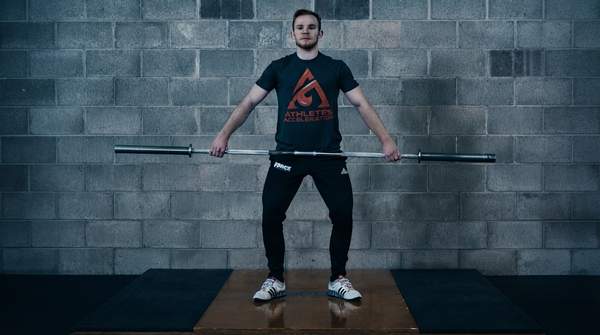
Four Pillars or PAP? Choosing an Advanced Warm-Up for Heavy Compound Lifts
For heavy compound lifting, two advanced warm-up philosophies dominate: the structured Four-Pillar Protocol for general readiness and Post-Activation Potentiation (PAP) for acute peak performance. This article breaks down both, compares them side by side, and helps you decide which fits your training goal or how to combine them.

Cold Therapy for Lifters: Why the Ice Bath That Eases Soreness May Also Blunt Your Gains
Cold therapy effectively reduces post-exercise soreness, but the biological processes it suppresses are also crucial for long-term muscle growth. Advanced lifters face a trade-off: use ice baths for acute recovery needs, but limit routine use during hypertrophy-focused training blocks to avoid blunting adaptation signals.

Five Grip and Forearm Accessory Lifts That Carry Over to Your Deadlift and Pull-up
If your deadlift stalls or pull-ups end due to grip failure, targeted accessory work for your grip and forearms is the solution. This guide details five evidence-supported lifts that enhance grip strength and carry over to your main pulling movements.

Complete Plant Proteins for Lifters: The Pairing Strategy That Fixes "Incomplete" Amino Acids
Most individual plant proteins are incomplete, lacking essential amino acids crucial for muscle growth. Lifters can achieve complete protein profiles by strategically pairing complementary food groups, such as legumes with grains, or by utilizing complete plant sources like soy or pea protein.

Concentric, Eccentric, or Isometric? Matching Each Contraction Type to Your Training Goal
Experienced lifters can break through plateaus by strategically emphasizing concentric, eccentric, or isometric muscle contractions, as each type drives distinct training adaptations for size, strength, and stability. Understanding and applying these contraction modes allows for more targeted programming and optimized results.

Nutrient Timing for Advanced Lifters: When Eating Around Your Workout Actually Matters
For advanced resistance trainees, nutrient timing is a marginal-gains lever that beginners do not need. While total daily intake is foundational, precise placement of protein and carbs around workouts influences performance, recovery, and adaptation for highly trained individuals.

Gut Health for Advanced Lifters: Three Evidence-Backed Strategies to Protect Absorption, Recovery, and Immunity
Advanced lifters often compromise gut health with restrictive diets, impacting absorption, recovery, and immunity. Three evidence-backed strategies—dietary diversity, adequate fiber, and probiotic supplementation—can optimize gut function without derailing training goals.

Foam Rolling for Advanced Lifters: What the Evidence Actually Supports, and When to Roll
Foam rolling offers advanced lifters evidence-supported benefits for acute flexibility gains and reducing muscle soreness, but it does not enhance strength or power. This article details the science behind these effects and provides a framework for strategic integration into training.

RED-S in Lifters: The Fatigue, Stalled Progress and Recurring Injuries That Signal an Energy Deficit
Relative Energy Deficiency in Sport (RED-S) in lifters manifests as persistent fatigue, stalled progress, and recurring injuries due to prolonged low energy availability. Recognizing these signs is crucial for maintaining training adaptations, performance, and long-term health.

Match Your Electrolyte Powder to Your Workout: A Sodium-and-Sugar Decision Framework
Choosing the right electrolyte powder depends on your workout's duration, intensity, and conditions. This guide helps you match sodium and carbohydrate profiles to your specific training needs for optimal hydration and performance.

Which Squat Variation Fixes Your Weak Point? A Biomechanical Guide for Experienced Lifters
Diagnose your specific squat weak points, like upper back rounding or core instability, by analyzing failure patterns. Then, choose the right barbell variation—Front, Zercher, or Back Squat—to biomechanically target and strengthen that limiter.

Five Evidence-Backed Pre-Workout Ingredients for Strength and Power: Doses, Mechanisms, and How to Stack Them
This guide details five evidence-backed pre-workout ingredients for strength and power, explaining their unique mechanisms, optimal doses, and timing strategies. It also teaches how to evaluate supplement labels to avoid under-dosed products and proprietary blends.