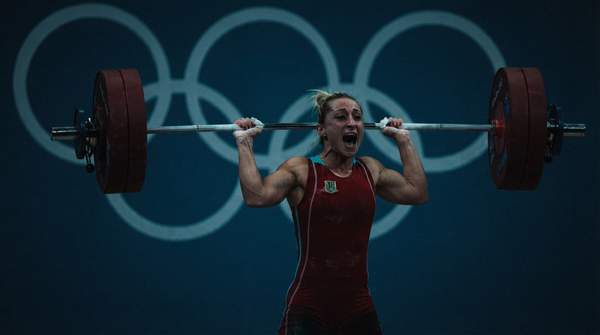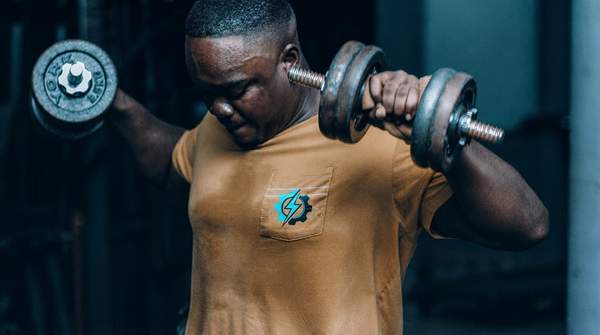
If your primary goal is strength, spread your weekly volume across more, smaller sessions—practice the lifts often. If your primary goal is muscle size, a moderate frequency with higher, varied-load volume works just as well. That distinction, drawn from a recent meta-regression by Pelland and colleagues on training volume and frequency, is the backbone of a sustainable plan for lifters over 40: frequency meaningfully influences strength but has a negligible independent impact on hypertrophy when volume is equated.
Understanding Age-Related Training Considerations for Masters Lifters
Most of the research underpinning volume and frequency recommendations was conducted on lifters aged roughly 18–35, so the raw numbers from those studies don't transfer cleanly to a 45-year-old with cranky elbows. What the general principles do tell you is directionally useful, and two age-related factors should shape how you apply them.
First, recovery kinetics differ in older adults. A systematic scoping review on recovery from resistance exercise in older adults, authored by Eleanor Jayne Hayes and colleagues in Sports Medicine — Open, was explicitly designed to map this literature because the current knowledge has gaps that need identifying. The review field is young; older adults were under-studied for years. Second, combining heavy loads with high training volumes "heightens joint-related stresses and increases the potential for overtraining," according to a re-examination of the repetition continuum published in the PMC-indexed literature. That warning matters more with each passing decade, because joints and tendons tolerate accumulated stress less generously than they did at 25.
Decision Framework: Optimizing Training for Masters Lifters
Use this matrix to match your primary goal and constraints to a training structure before you write a single week of programming. Read across each row: the point is not that one path is better, but that the trade-offs differ.
| Dimension | Path 1: Higher Frequency, Lower Daily Volume (Strength) | Path 2: Moderate Frequency, Varied-Load Volume (Hypertrophy) |
|---|---|---|
| Primary goal | Maximize strength gains and motor skill acquisition | Stimulate muscle growth and increase muscle size |
| Structure | Same weekly volume dispersed across more sessions | Higher total weekly volume built from varied loads and rep schemes |
| Key benefit for masters lifters | More frequent practice builds skill faster; spreading stress across the week helps manage fatigue accumulation | Wide spectrum of loads (roughly ≥30% of 1RM) can drive growth, letting you spare joints from maximal loads |
| Main risk to manage | More sessions mean more warm-ups and more scheduling demands | High volume combined with heavy loads raises joint stress and overtraining potential |
The framework assumes total weekly work is held roughly constant when comparing structures—Greg Nuckols, reviewing the frequency data on Stronger by Science, notes that higher frequencies produce larger strength gains even when volume and intensity are controlled. That is the analytical hinge: decide your goal first, then let frequency follow from it rather than copying someone else's split.
Path 1: Higher Frequency for Strength Gains
Strength is as much a skill as a physiological quality, and skills are learned faster when practiced more often. Nuckols identifies superior skill acquisition and motor learning as a leading explanation for why higher frequencies produce larger strength gains at equated volume; another is that even easy warm-up sets impose some nonzero training stress, so more sessions add a little productive work.
For you as a masters lifter, this path means shorter, more frequent sessions rather than fewer marathon workouts. Doing the same weekly volume but "spreading it over more sessions may facilitate better strength gains," as powerlifter Blaine Sumner notes in his writing for JuggernautAI. The practical advantages compound with age: each session is smaller, so no single day buries your joints or nervous system, and fatigue accumulates more gradually. Nuckols also cautions that the benefits of evenly dispersing stress may accrue over longer time horizons as loads increase and fatigue builds—exactly the situation an experienced lifter faces during a hard training block.
Path 2: Moderate Frequency, Varied Volume for Hypertrophy
If muscle size is the goal, frequency stops being the primary lever. The Pelland and colleagues meta-regression indicates frequency has a negligible independent effect on hypertrophy when volume is matched, so you can organize your week around recovery and scheduling rather than squeezing in extra sessions per muscle group.
What you gain is freedom in load selection. The re-examination of the repetition continuum finds that similar whole-muscle growth—muscle thickness and cross-sectional area—"can be achieved across a wide spectrum of loading ranges ≥ ~30% 1RM," and that these findings are independent of age and training status. In principle, there is no ideal "hypertrophy zone." For an older lifter, this is liberating: heavy top sets with back-off volume, moderate-load work, and lighter, higher-rep sets can all contribute, letting you shift work away from load ranges that aggravate old injuries while keeping total weekly volume high enough to grow.
Practical Strategies for Sustainable Progress
Rotate your loading. Both acute and longitudinal data suggest a potential hypertrophic benefit to combining loading ranges within a structured program, though the researchers note further study is needed for stronger conclusions. Practically: pair heavy, low-rep work with moderate and light sets across the week rather than making every hypertrophy session heavy.
Specialize gradually. When attacking a weak point, MASS Research Review's guidance for advanced lifters is to put everything else on a maintenance dose and run a specialization cycle—but with "a gradual increase in volume rather than jumping in with a large increase." The stated goal is bringing up the weak point, not developing tendonitis. Cap the length of specialization blocks and return to balanced training before joints start complaining.
Auto-regulate with multiple markers. A study of mixed martial arts athletes during strength and conditioning training, published in Scientific Reports, found that biochemical markers like cortisol and hs-CRP can decline in later training phases while athletes still report pronounced fatigue and lost vigor on the Profile of Mood States—biochemical recovery does not equal psychological well-being. Track both: how the bar moves, and how you feel. A systematic review by Dupuy and colleagues in Frontiers in Physiology ties exercise-induced muscle damage to temporary reductions in muscular force, disturbed joint position sense, decreased performance, and increased injury risk—so treat soreness and strength dips as feedback, not badges. Active recovery—training opposing muscle groups, light aerobic work, or low-volume power training—may aid recovery relative to passive rest, according to a narrative review of microcycle construction.
Sustaining Progress: Listen to Your Body and Adapt
The decision for a masters lifter is to continuously monitor recovery and performance so you can auto-regulate volume and frequency, prioritizing consistency and injury prevention over rigid adherence to any program. Choose the frequency structure that matches your goal, then adjust it as evidence accumulates in your own training log.
The measurable indicators to watch across training cycles are consistent performance improvements, reduced perceived fatigue, and the absence of new or worsening joint pain. If performance stalls while fatigue climbs or a joint starts talking back, that is your signal to redistribute volume across more sessions, lighten the loads in your hypertrophy work, or run a deload—not to grind harder against the evidence.
Sources
- Recovery from Resistance Exercise in Older Adults: A Systematic Scoping Review - Sports Medicine - Open — SpringerLink
- Loading Recommendations for Muscle Strength, Hypertrophy, and Local Endurance — PMC
- Training Frequency for Strength Development: What the Data Say — Stronger by Science
- Understanding Volume — Juggernautai
- How Do I Keep Progressing as an Advanced Lifter? — MASS Research Review
- Biochemical and psychological markers of fatigue and recovery in mixed martial arts… — Nature
- Frontiers | An Evidence-Based Approach for Choosing Post-exercise Recovery Techniques to Reduce…
- The Importance of Recovery in Resistance Training Microcycle Construction - PMC