Macronutrients build the training effect, but strength performance and recovery depend on a set of vitamins and minerals that never appear on a macros tracker. Iron carries the oxygen that fuels contraction, vitamin D supports muscle and bone function, B vitamins run the metabolic pathways that convert food into usable energy, and antioxidant vitamins C and E help defend cells against exercise-induced oxidative damage. For most well-fed lifters these nutrients arrive adequately through a varied diet; the risk concentrates in specific situations—low energy availability, restrictive or plant-based diets, indoor training, and heavy training blocks—and the correct response to a suspected deficiency is a blood test and professional consultation, not an immediate supplement purchase.
The Foundation: Why Micronutrients Matter for Strength Athletes
Micronutrients supply no energy themselves. Their role is catalytic: a review of micronutrients and athletic performance explains that while macronutrients provide the energy for exercise and body-weight maintenance, micronutrients are needed to produce energy, protect against disease, build muscle strength, and repair body mass. In practice, that means every watt of output and every gram of recovered tissue rides on biochemical machinery that requires these compounds as cofactors.
The same review adds a nuance that matters for programming decisions. Exercise is proposed to create an optimal redox balance that stimulates skeletal muscle adaptation, and with adequate rest and recovery, structural and metabolic adaptations occur within muscle that support performance. However, extreme exercise—prolonged in duration and intensity—can increase oxidative stress, creating an imbalance between the production of reactive oxygen species and the body's antioxidant defenses. Heavy, under-recovered training therefore does not just exhaust energy stores; it can outstrip the micronutrient-dependent systems that regulate adaptation itself.
Key Micronutrients for Strength Performance and Recovery
Iron sits closest to performance itself. It is a component of hemoglobin, which carries oxygen in the blood, and myoglobin, which stores it in muscle, and it participates in the Krebs cycle, the central pathway of cellular energy production. Sport-nutrition guidance from registered dietitian Jill Kohn states plainly that iron is essential for oxygen transportation throughout the body, and that not having enough may cause fatigue and impact physical performance. One caveat specific to athletes: exercise itself may cause some iron losses or decreased absorption, which is why training volume belongs in any deficiency assessment.
Vitamin B6 is the general-purpose workhorse of recovery. According to Kohn's guidance for athletes, B6 is involved in nearly 100 metabolic pathways and is essential to the breakdown of foods; it also supports protein metabolism, red blood cell formation, and immune function. The guidance further notes that athletes with high protein intakes may have increased needs for B6—a directly relevant point for strength athletes whose diets are protein-centered. Food sources include poultry, pistachios, chickpeas, lentils, pork, bananas, and tuna.
B vitamins as a group share the energy-metabolism burden, and vitamin B12 carries a specific dietary fault line. Kohn notes B12 is found naturally in animal products, putting vegan and vegetarian athletes at risk of deficiency. Fortified foods—breakfast cereals, nutritional yeast, plant-based meat alternatives—can supply it, but labels must be checked because not all of these foods are fortified, and a B12 supplement may be needed, which warrants checking with a healthcare provider first.
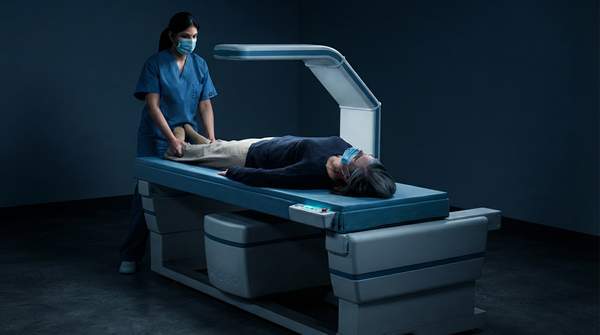
Vitamin D supports proper muscle functioning and bone health, both foundational for athletes loading the skeleton with heavy resistance. Guidance on micronutrients and sport highlights that indoor athletes are more likely to be deficient, simply because sun exposure drives vitamin D production—and most strength training happens in gyms. Alongside calcium, vitamin D is grouped among the vitamins and minerals that promote bone health under the stress that intense activity places on bones and joints.
Antioxidant vitamins C and E address the oxidative side of the equation. They work toward preventing cell damage during exercise: high levels of oxidation during physical activity can produce damaging free radicals, and these nutrients strengthen the defense system, protect plasma during high-impact activity, and may reduce muscle soreness. Note that the redox-adaptation research above suggests some exercise-induced oxidative stress is itself a stimulus for adaptation—the goal is adequate defense, not maximal suppression.