
Athlete Recovery
9 articles
How to Time Your Post-Exercise Carbs: A Recovery-Window Decision Framework
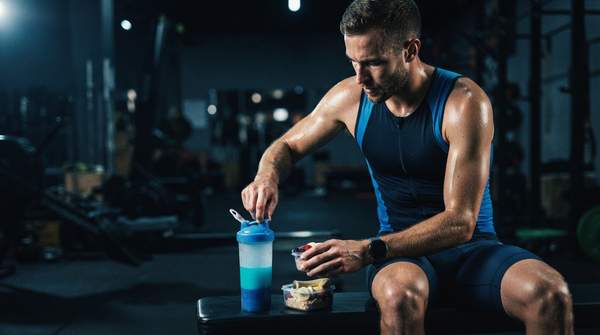
Post-exercise carbohydrate timing is critical when your next training session is less than 24 hours away, requiring immediate intake of 1.0–1.2 grams per kilogram of body weight per hour. For recovery windows longer than 24 hours, focusing on total daily carbohydrate needs is sufficient.
Reading HRV and GSR Together: How Biofeedback Signals Reveal an Athlete's Recovery State
Combining Heart Rate Variability (HRV) and Galvanic Skin Response (GSR) biofeedback offers athletes a powerful way to understand their autonomic nervous system state. Understanding these combined patterns helps athletes determine whether their body is primed for training or requires recovery, enabling more informed training decisions.
Optimizing Sleep for Enhanced Athletic Recovery and Performance
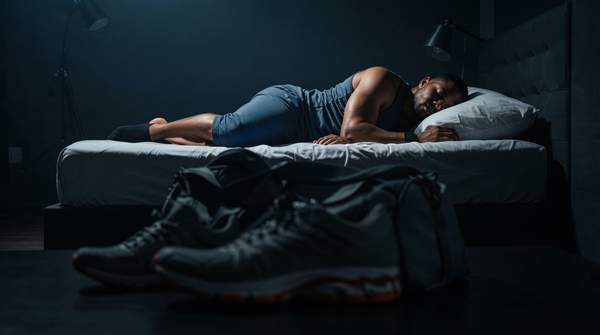
Sleep is a critical component for athletes, profoundly impacting recovery, performance, and well-being. This guide synthesizes evidence-based strategies for optimizing sleep hygiene, strategic napping, and managing athlete-specific sleep challenges to achieve superior athletic results.

5 Practical Ways Trael Hydration Helps Athletes Recover Faster Without Synthetic Additives
For dedicated athletes, recovery is not just a phase; it's a critical component of performance. The market is flooded with sports drinks promising rapid replenishment, but many rely on synthetic additives, artificial dye…

Athlete Travel Recovery: A Critical Knowledge Gap
Millions of dollars flow into optimizing every micro-facet of athletic performance, yet the scientific community openly admits "evidence on optimal assessment and management of travel fatigue and jet

5 Key Smartwatch Features for Athlete Recovery
Garmin smartwatches require three weeks of nightly wear to establish a personal Heart Rate Variability baseline.

Top 3 Innovative Athlete Recovery Tech Devices to Watch
A single Platinum LED BIOMAX 9th Generation panel, costing $659, delivers a broad wavelength range from 480 to 1,060 nm, promising enhanced muscle recovery and skin rejuvenation in sessions as short a

Recovery Tools Ranked: What Science Actually Supports, and What to Skip Until the Basics Are Covered
This guide ranks athlete recovery tools based on scientific evidence, prioritizing foundational habits like sleep and active recovery, followed by evidence-supported interventions like water immersion and massage, before considering emerging technologies.

Cold Plunges for Athletes: When the Ice Helps Recovery and When It Works Against Your Gains
Cold plunges can aid immediate recovery and next-day performance for athletes by reducing muscle soreness, but they carry cardiovascular risks and may hinder long-term strength gains from resistance training. Athletes must weigh their training goals and health status to decide if cold water immersion is appropriate.