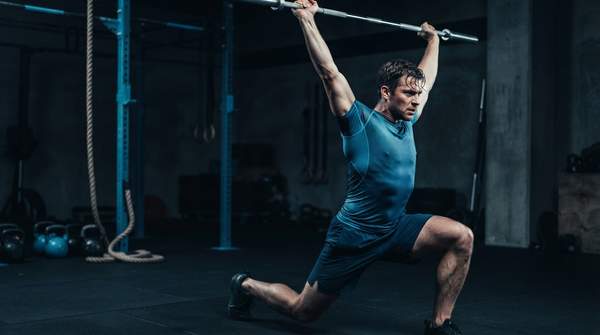
Full recovery from overtraining can sideline an athlete for weeks or even months, a consequence often overlooked in the pursuit of constant activity, according to hss. Such prolonged inactivity disrupts training cycles and severely impacts competitive seasons. Training itself stresses the body; prolonged stress maintains a high-cortisol state, preventing the body from entering a rest and digest phase crucial for healing, according to uchealth.
Many athletes seek complex active recovery methods, but the most impactful recovery often comes from simple, passive rest and quality sleep. This creates a fundamental contradiction between perceived effort and actual physiological need.
Athletes who strategically embrace and protect their rest and sleep will likely achieve greater long-term performance improvements and significantly reduce their risk of injury and burnout. Healthy sleep, nutrition, and mental wellness are critical in preventing overtraining and must be part of any training regimen, according to hss. Ignoring these fundamental pillars renders advanced recovery strategies largely ineffective.
Strategic Tools for Enhanced Recovery
1. Healthy Sleep and Appropriate Rest
Best for: All athletes, especially those engaged in high-volume or high-intensity training.
Healthy sleep and appropriate rest are critical for preventing overtraining and ensuring comprehensive recovery. Full recovery from overtraining can take weeks or months, according to hss, highlighting the need for sufficient rest and quality sleep within any training program. This balance ensures the body can adapt and strengthen.
Strengths: Fundamental for physiological repair and adaptation; improves cognitive function and mood; prevents chronic fatigue. | Limitations: Requires discipline and lifestyle adjustments; often underestimated. | Price: Free (requires time investment)
2. Optimal Nutrition
Best for: All athletes, vital for muscle repair and energy replenishment.
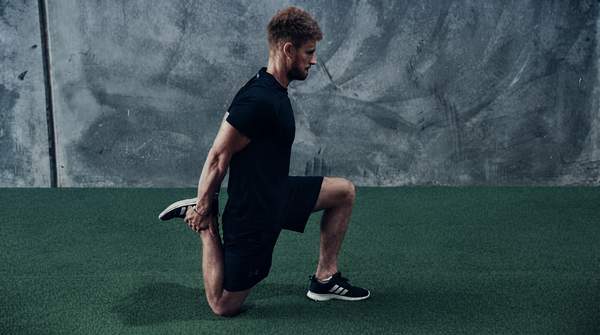
Optimal nutrition is a non-negotiable pillar of recovery, restoring homeostasis by refueling the body, repairing tissues, and replenishing glycogen stores after strenuous activity, according to sportsmith. This process supports cellular repair and reduces inflammation.
Strengths: Fuels muscle repair and growth; replenishes energy stores; supports immune function. | Limitations: Requires consistent planning and access to quality foods; can be complex to individualize. | Price: Moderate to high (food costs)
3. Periodization (Alternating Training with Rest)
Best for: Athletes aiming for peak performance and injury prevention over extended periods.
Periodization strategically alternates intense training with rest periods, improving performance and decreasing injury risk, according to uchealth. This structured approach ensures planned recovery phases, preventing overtraining. For example, an athlete might train for three weeks, then take one week off for recovery.
Strengths: Optimizes long-term performance; reduces risk of overtraining and injury; promotes consistent progress. | Limitations: Requires careful planning and adherence; may feel counterintuitive to athletes driven by constant activity. | Price: Free (requires planning)
4. Mental Wellness and Psychological Well-being
Best for: All athletes, particularly those experiencing high-pressure environments or chronic stress.
Mental wellness is critical in preventing overtraining, recognized alongside healthy sleep and nutrition, according to hss. Burnout, often a precursor to overtraining syndrome, stems from mental overload. This chronic stress maintains a high-cortisol state, actively preventing healing even during physical rest.
Strengths: Reduces stress and anxiety; improves focus and resilience; prevents burnout. | Limitations: Requires self-awareness and potentially professional support; often overlooked as a recovery component. | Price: Varies (meditation apps are free, therapy can be high)
5. Active Recovery (Low-intensity Exercise)
Best for: Athletes seeking to reduce muscle soreness and maintain blood flow post-workout.
Active rest, like light swimming, is thought to promote recovery by increasing blood flow and clearing lactate, according to Mass General Brigham. However, studies on low-intensity leg pedaling suggest its primary measurable effect is on perceived exertion, not clear physiological superiority over total rest, according to frontiersin. This implies subjective feelings of recovery often outweigh objective physiological benefits.
Strengths: May reduce perceived muscle soreness; maintains blood flow; can provide a mental break. | Limitations: Physiological benefits over total rest are often marginal; can mislead athletes into believing they are fully recovered. | Price: Free (requires equipment access, e.g. bike)
6. Total Rest
Best for: Athletes requiring complete physiological and psychological recuperation, especially after intense competition or during deload phases.
Total rest is a key component of all sports recovery protocols, allowing the body to rebuild and strengthen after training, according to Mass General Brigham. Studies comparing it to low-intensity exercise and neuromuscular electrical stimulation show it promotes comparable recovery after high-intensity functional training, according to frontiersin. This confirms its fundamental effectiveness.
Strengths: Allows for complete physiological repair; essential for preventing overtraining; minimal effort required. | Limitations: Can be mentally challenging for highly driven athletes; may lead to detraining if prolonged excessively. | Price: Free
7. Neuromuscular Electrical Stimulation (NMES)
Best for: Athletes targeting specific muscle groups for recovery or rehabilitation.
Neuromuscular Electrical Stimulation (NMES) applies electrical impulses to muscles to induce contractions, a strategy compared for recovery after high-intensity training, according to frontiersin. Studies show NMES trending toward lower perceived exertion and comparable recovery to low-intensity exercise and total rest, with improved perceived recovery.
Strengths: Can target specific muscles; may reduce perceived soreness; portable devices available. | Limitations: Benefits often subjective; requires proper applicationion; not a substitute for rest. | Price: Moderate to high (device cost)
8. Photobiomodulation (Red-light therapy)
Best for: Athletes seeking cellular-level recovery and inflammation reduction.
Photobiomodulation, or red-light therapy, targets mitochondria to boost energy, reduce stress, increase exercise energy, and speed recovery, according to Mass General Brigham. Sessions typically involve 20 minutes of specific red and near-infrared light exposure, aiming to enhance cellular function.
Strengths: Non-invasive; targets cellular repair; may reduce inflammation. | Limitations: Requires consistent use; long-term efficacy still under extensive research; devices can be costly. | Price: High (device cost or clinic sessions)
| Recovery Method | Primary Mechanism | Key Benefit | Limitations | Cost/Effort |
|---|---|---|---|---|
| Healthy Sleep and Appropriate Rest | Cellular repair, hormonal regulation, neurological restoration | Fundamental physiological repair, prevents overtraining | Requires discipline, often underestimated | Free (time investment) |
| Optimal Nutrition | Tissue repair, energy replenishment, inflammation control | Fuels muscle repair, supports immune function | Requires planning, can be complex | Moderate to High |
| Periodization | Structured load management, planned recovery cycles | Optimizes long-term performance, reduces injury risk | Requires careful planning, adherence | Free (planning effort) |
| Mental Wellness | Stress reduction, psychological resilience | Prevents burnout, improves focus | Requires self-awareness, potential professional support | Varies (free to high) |
| Active Recovery | Increased blood flow, lactate clearance (perceived) | May reduce perceived muscle soreness | Marginal physiological benefits over rest, subjective | Free (requires equipment access) |
| Total Rest | Complete physiological and psychological recuperation | Complete repair, essential for preventing overtraining | Mentally challenging, potential detraining if excessive | Free |
| NMES | Induced muscle contractions via electrical impulses | Targeted muscle recovery, reduced perceived soreness | Benefits often subjective, requires proper application | Moderate to High |
| Photobiomodulation | Mitochondrial stimulation, cellular repair | Cellular repair, reduced inflammation | Requires consistent use, costly devices | High |
The Performance Paradox: Stress, Rest, and Growth
The distinction between performance-enhancing overreaching and debilitating overtraining hinges on the quality and sufficiency of passive rest. Overreaching followed by appropriate rest can lead to performance increases, according to pmc. However, extreme overreaching combined with additional stressors proves detrimental, leading to stalled progress or injury.
While active recovery methods might feel beneficial, studies suggest their primary measurable effect is on perceived exertion, not clear physiological superiority over total rest. This often misleads athletes into believing they are recovering when their bodies are not fully healing. Athletes who consistently choose active recovery over deep, passive rest risk not just minor setbacks, but actively sabotage their body's ability to heal and adapt, potentially sidelining themselves for months due to chronic overtraining.
True recovery is a holistic physiological state. Chronic stress from inadequate sleep or poor mental wellness can maintain a high-cortisol state, preventing healing even during physical 'rest'. The athletic community's intense focus on complex active recovery tools often distracts from the fundamental, non-negotiable pillars: healthy sleep, nutrition, and mental wellness. Ignoring these basics renders any advanced recovery strategy largely ineffective.
As wearable technology continues to provide consistent data on sleep and physiological readiness, athletes will likely prioritize deep rest over constant activity, guiding training decisions with greater precision.