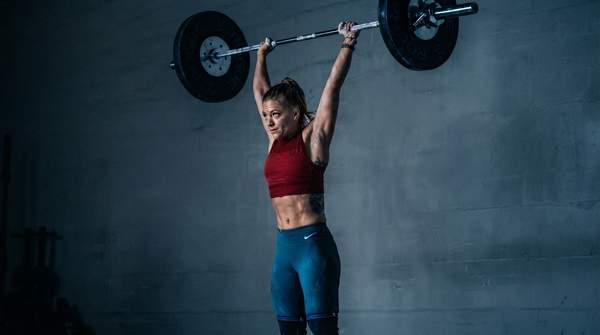
Strength training study links grip strength to lower death risk in women

Older women who demonstrated stronger grips and could stand from a chair unassisted lived significantly longer, according to Earth .

EP
Elena Pappas

May 20, 2026 · 3 min read

Diverse group of older women participating in strength training exercises, with one woman showing a strong grip, symbolizing health and longevity.

Older women who demonstrated stronger grips and could stand from a chair unassisted lived significantly longer, according to Earth. This finding comes from a recent study of nearly 5,500 women aged 63 to 93. A Nature study of almost 10,000 men and women also linked weak grip strength to an increased risk of early death, as reported by The Washington Post. These findings suggest simple tests offer powerful health insights.

Many people focus on aerobic exercise for overall health. However, simple measures of muscle strength are proving to be a more direct and potent indicator of longevity.

As research continues to highlight the critical role of muscle strength, healthcare recommendations and personal fitness priorities will increasingly emphasize resistance training for healthy aging.

  • Older women who performed well on dominant hand grip strength and unassisted chair stand tests tended to live longer than those who did not, according to Prevention.
  • Specific functional tests like grip strength and unassisted chair stands offer a practical, accessible proxy for longevity risk in older women.
  • Individuals, particularly older women, who experience sarcopenia and neglect strength training face increased mortality risk and reduced quality of life.
  • The age-related decline in muscle dramatically increases energy expenditure and fatigue for basic activities like standing.

The Physiological Link: How Muscle Mass Protects Against Mortality

Maintaining muscle mass directly lowers mortality risk. Total mortality was significantly lower in the fourth quartile of muscle mass index compared to the first, according to pmc. Adjusted analyses showed total mortality had a risk ratio of 0.81 (95% confidence interval 0.71 – 0.91) in the highest quartile of muscle mass index versus the lowest.

Sarcopenia, the age-related decline in muscle, also severely impacts functional capacity. At age 80, muscle fatigue while standing with sarcopenia can be more than three times higher than in those without sarcopenia, as detailed by pmc. This dramatically increases the energy expenditure for basic activities.

Maintaining muscle mass and preventing sarcopenia directly translates to a significantly lower risk of death and improved functional capacity as people age. Targeted muscle maintenance is a primary, actionable lever for extending healthy lifespan in older women.

The consistent link between measurable muscle strength and reduced mortality across multiple studies indicates a need for re-evaluation of exercise priorities. Current health recommendations may underemphasize resistance training's direct impact on lifespan. A shift in focus for aging populations is now necessary.

Healthcare providers should integrate routine grip strength and chair stand tests into annual check-ups for older women, based on findings from Prevention and Muscle & Fitness. These simple assessments offer a powerful, early warning system for longevity risk. Identifying sarcopenia early can allow for targeted interventions.

Public health initiatives must also adapt. The significant increase in muscle fatigue for sarcopenic individuals by age 80, as detailed by pmc, suggests a need to actively promote muscle-building and maintenance from middle age. Actively promoting muscle-building and maintenance from middle age mitigates debilitating decline beyond just preventing falls.

You must prioritize muscle maintenance to preserve your strength and functional capacity. Incorporating resistance training into your weekly routines is crucial. Focus on compound movements like squats, deadlifts, and presses to maximize muscle engagement.

For older women, specifically, you should prioritize exercises that improve grip strength and leg power. These directly impact the longevity biomarkers identified. Consistent effort, even with bodyweight exercises, yields significant benefits. In the future, fitness programs will increasingly integrate these strength-focused recommendations to address the aging population's needs.

Frequently Asked Questions About Muscle Strength and Longevity

How does muscle strength affect lifespan?

Muscle strength significantly impacts longevity by reducing overall mortality risk, a link observed in large studies involving thousands of individuals. Simple tests, like dominant hand grip strength, serve as accessible biomarkers for predicting a longer life, extending beyond general fitness assessments.

What is the link between muscle mass and aging?

As individuals age, a decline in muscle mass, known as sarcopenia, makes everyday activities disproportionately harder due to increased energy demands. This decline not only affects physical function but also directly correlates with a higher risk of premature death, emphasizing muscle's role in healthy aging.

Can strength training reverse aging?

While strength training cannot reverse the aging process, it effectively mitigates many age-related declines in muscle strength and function. Consistent resistance exercise helps maintain vital muscle mass, reducing the severe fatigue and increased mortality risk associated with sarcopenia as people get older.