Advanced lifters rarely fail a lift randomly. The bar slows or stops at a specific point, and that point tells you which muscle is limiting the movement. Coaching sources converge on a simple diagnostic method: analyze where the barbell decelerates during a maximal attempt, then choose accessory exercises that train the weak muscle through that exact range of motion. This guide maps the most common sticking points in the squat, bench press, and deadlift to their likely muscular causes and the accessory lifts that address them.
Diagnosing Your Powerlifting Weak Points
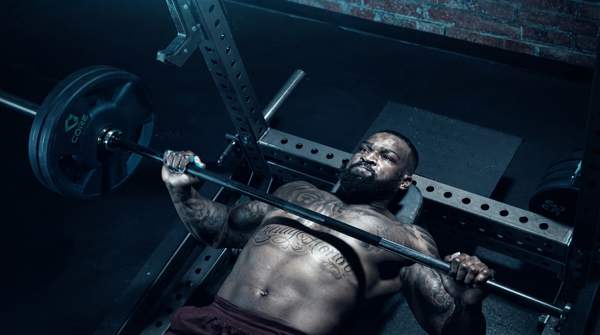
The first step is honest observation. Sculpted MD's advanced training guidance frames weak-point analysis as a core pillar of advanced programming: ask where the bar slows down or stops during a maximal attempt, because that location is the diagnostic signal. A squat that stalls halfway up often indicates quadriceps weakness. A bench press that fails off the chest points to the pectoralis major. A deadlift that breaks off the floor but dies at lockout is often a sign of weak glutes.
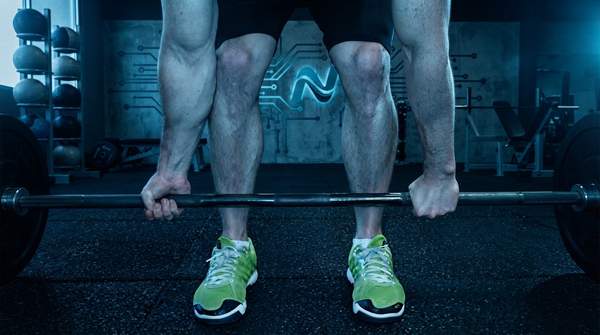
For the deadlift specifically, coach Keith Hansen of Seriously Strong Training explains that a great conventional deadlift requires strength throughout the entire body, meaning the lift is only as strong as its weakest link (Sf2710c38:P1). He identifies key muscular responsibilities: the lats are crucial for keeping the bar close to the body (Sf2710c38:P3, Sf2710c38:P10), the upper back prevents shoulder rounding (Sf2710c38:P3), and the forearms are responsible for grip (Sf2710c38:P3). If any of these components are weak, they will limit the lift (Sf2710c38:P3). This provides a second diagnostic layer beyond position in the range of motion—watch not just where the bar slows, but how your position degrades.
Once you have a diagnosis, exercise selection should follow a specificity principle: choose accessories that directly train the weak muscle group through the specific, problematic range of motion. A generic "build the posterior chain" approach is less effective than one chosen for the exact failure you observed. Advanced programming also uses targeted accessory work to correct the imbalances that squat- and deadlift-heavy routines can create, so accessory selection serves both performance and structural balance.